Ga naar de content

Contributing to sustainable and efficient energy use
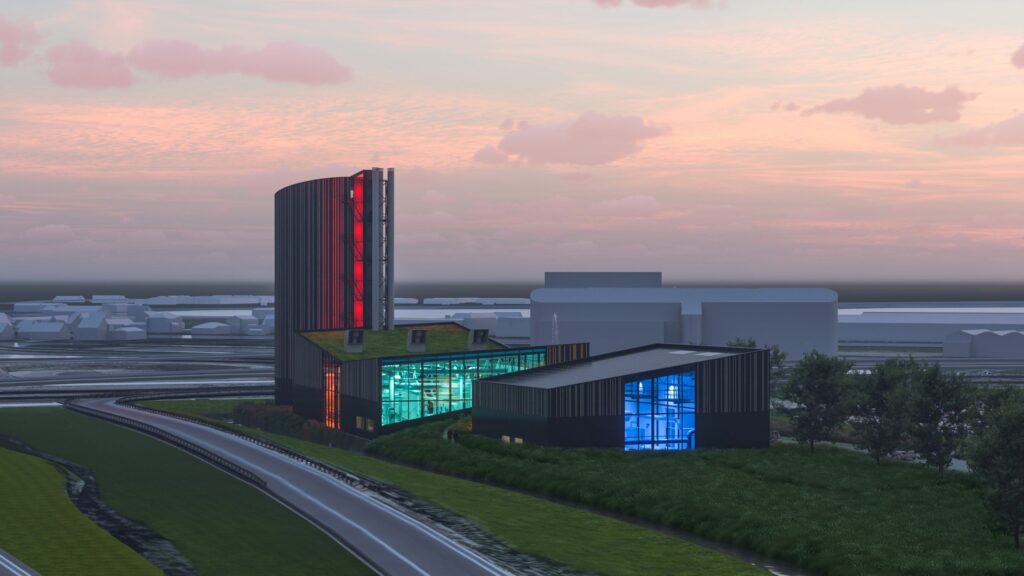
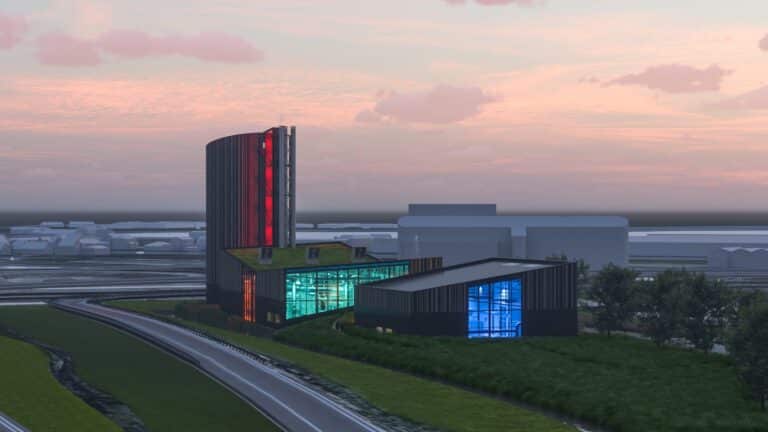
Commissioned by Vattenfall, Croonwolter&Dros is realizing the heat station “De Sleutel” (The Key) near Leiden, alongside the A44. This future facility marks another step in the energy transition, with the main goal of supplying residual heat from the Port of Rotterdam to Leiden’s district heating network. Thanks to this proven technological development, Vattenfall will be able to sustainably provide district heating to approximately 10,000 households and 200 large-scale consumers. As a result, society becomes less dependent on fossil fuels.

Why was BAEKEN needed?

Every project starts with a solid and realistic schedule. For the Future Heat Leiden project, BAEKEN was brought in to collaborate with the involved parties on creating an integrated project schedule. Due to the relatively short timeline, the right expertise was required to quickly gain technical knowledge of the project, process it effectively, and ensure that the resulting schedule was fully supported by all stakeholders. This laid a strong foundation for monitoring progress during the engineering, procurement, and execution phases.

How did we proceed?

  1. Developing an integrated project schedule

    For the construction of “De Sleutel” (The Key), Croonwolter&Dros, as the main contractor, is responsible for coordinating all subcontractors and external parties. Using Primavera P6, I began by setting up an integrated project schedule supported by all internal and external disciplines. This comprehensive schedule provided a realistic timeline, clearly mapping out the project’s feasibility and potential bottlenecks. After mitigating these bottlenecks, a baseline was established in consultation with both the client and the contractor.


  2. Monitoring engineering, procurement, and execution

    Based on a clear overall schedule, operational activities are closely monitored. Every two weeks, progress is collected and updated in the plan. This information allowed for detailed analysis of the schedule and any potential shifts, enabling timely mitigation actions. For example, assessing the impact of delays in certain activities and providing tailored advice to minimize these delays.

  3. Creating a 6-week execution schedule

    During execution, the need for an integrated 6-week schedule grew: one that combined the sub-schedules of all participating parties. By consolidating various Excel and Microsoft Project schedules into a single 6-week plan within Primavera P6, an execution schedule was developed. This integration optimized the alignment between the 6-week schedule and the overall schedule, ensuring that the combined duration of sub-activities accurately reflected the overarching activity. Through a rolling-window approach, new information is added each week to keep the schedule as up-to-date as possible.

What has been used?

Primavera P6

For a solid integral and 6-week planning

Stakeholder Management

For integral communication and collaboration

Reporting

For timely identifying risks

Sam werkte mee aan dit project
Sam van der Pasch


Curious if we can do something for you? Or check out similar projects.

This field is for validation purposes and should be left unchanged.

Of bekijk andere projecten

De Knoop @ Rijksvastgoedbedrijf

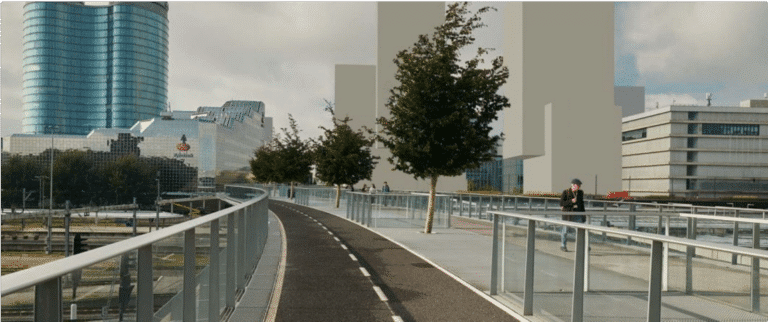
When Rijksvastgoedbedrijf (RVB) acquired the former Knoop barracks in Utrecht in 2011, it had the ambition to transform
  • Area development

Business Park @ Aviolanda

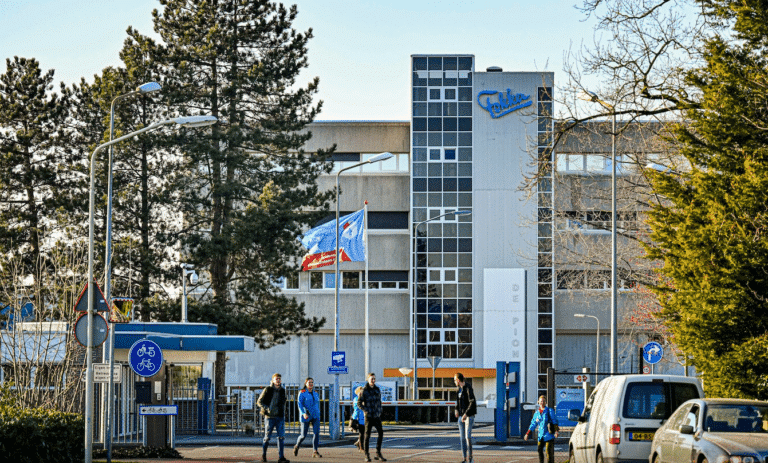
Business Park Aviolanda houses companies and training institutes in the field of aircraft engineering and maintenance.
  • Area development

Lighting and Traffic Management Systems @ Vialis

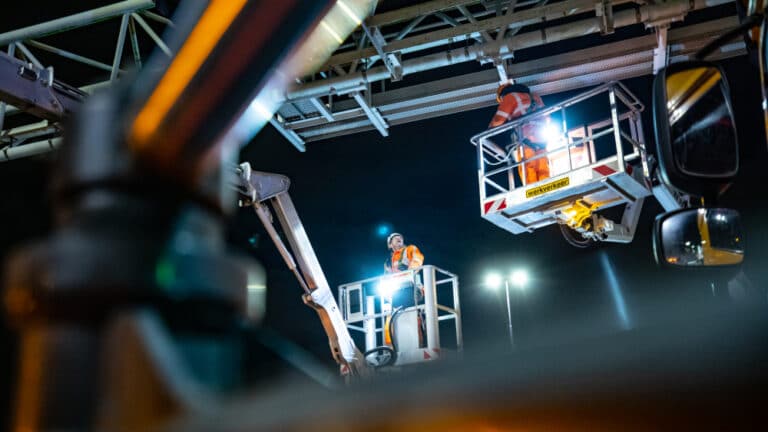
Since October 1st, 2021, Vialis, commissioned by Rijkswaterstaat, has been replacing various technical systems under the
  • Technologie en innovatie
  • Technology and Innovation

Road maintenance in the eastern Netherlands @ Haskoning

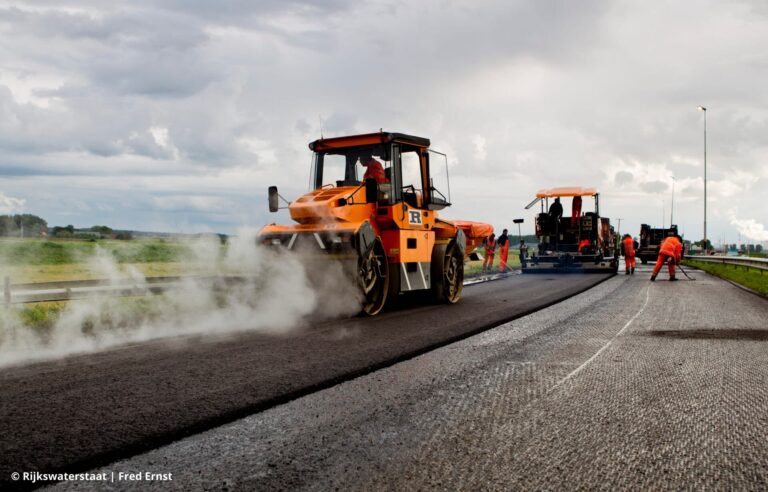
To keep the national roads of the East Netherlands district (ON) in optimal condition, Rijkswaterstaat (RWS), through it

  • Technologie en innovatie
  • Technology and Innovation

Oosterscheldekering hydraulic installations @ Hollandia

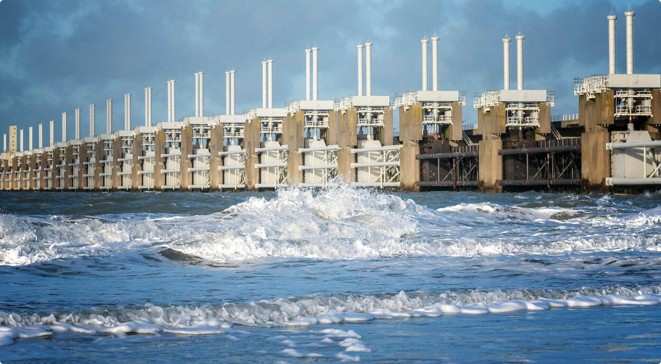
Hollandia Services is working on the Oosterscheldekering to renovate the hydraulic installations, which are essential fo

  • Technologie en innovatie
  • Technology and Innovation

Building on the future of accessible mobility

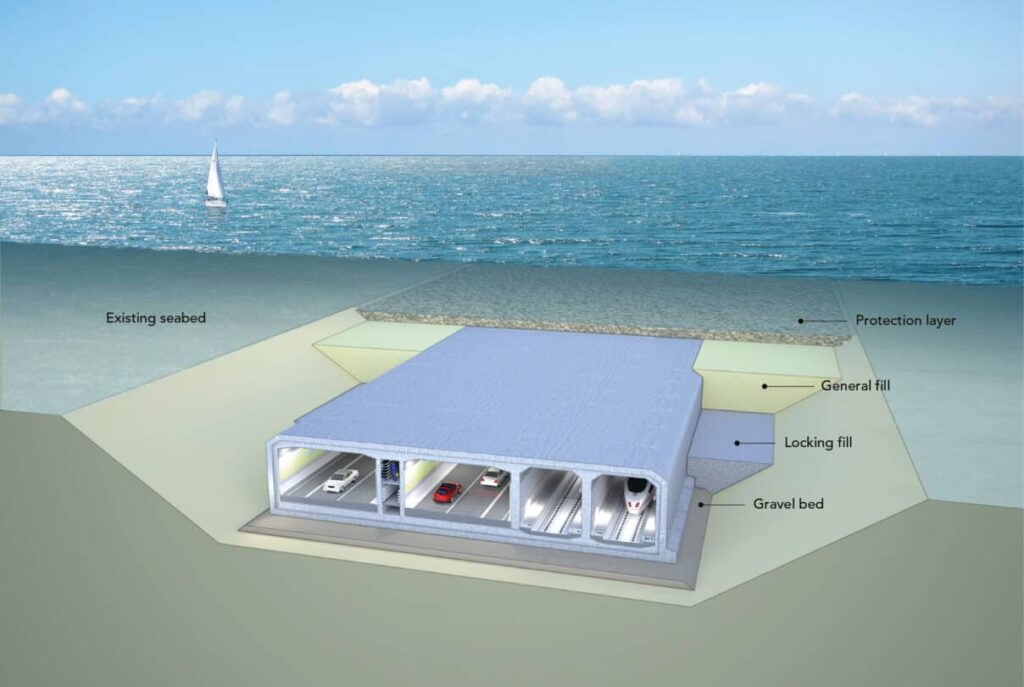
The FehmarnBelt Tunnel,[externalLink_open]Wikipedia FehmarnBelt Tunnel[externalLink_close] one of the world’s most impressive infrastructure projects, connects the Danish island of Lolland with the German island of Fehmarn. Under the leadership of Van Oord[externalLink_open]Website Van Oord[externalLink_close] and Boskalis[externalLink_open]Website Boskalis Netherlands[externalLink_close], the longest undersea road and rail tunnel in the world is being built, a technological achievement that will drastically reduce travel time between the two countries and strengthen economic cooperation.

Why was BAEKEN needed?

After the successful tendering phase, a detailed and integrated planning approach was needed during the transition to project implementation. This plan had to link processes and systems and provide an overview of all project aspects. There was also the question of applying innovative techniques, such as 4D planning, to make progress visually clear to all stakeholders involved.

How did we approach this project?

  1. Setting up the structure for a flying start

    In the initial phase of the project, I worked in a small core team in which I set up and helped shape the project’s processes and structures in an integrated way. By setting up a clear and coherent information management process at the front end, I created a clear and accessible information landscape. This enabled the growing project team to get off to a good start from day one and work together effectively straight away. In the process, the planning was further shaped from a tender planning to a real project planning.

  2. Streamlining information and integrating processes

    After setting up the basics, I focused on streamlining information management. Using Primavera and Relatics, I ensured an integrated approach where time data, object data, quality information, risks, and financial data connected seamlessly. This not only provided a solid basis for project management, but also gave the team the tools to make the right decisions at any time.

  3. 4D modelling for insight and guidance

    To make construction progress visual, I integrated the time model with the 3D design in Synchro 4D. This approach provided a powerful overview of day-to-day progress and enabled early identification and adjustment of critical construction phases. This not only improved communication with stakeholders, but gave the team the clarity and focus to perform within time and budget.

What has been used?

Primavera P6

For detailed planning and process integration.

Relatics

For managing integrated information processes.

Synchro 4D

For visualising progress via 4D planning.

Stakeholder Management

for effective communication and collaboration

Benieuwd wat ik voor jouw project kan doen?
Wesley van der Burg

Curious if we can do something for you? Or check out similar projects.

This field is for validation purposes and should be left unchanged.

Of bekijk andere projecten

De Knoop @ Rijksvastgoedbedrijf

When Rijksvastgoedbedrijf (RVB) acquired the former Knoop barracks in Utrecht in 2011, it had the ambition to transform

  • Area development

Business Park @ Aviolanda

Business Park Aviolanda houses companies and training institutes in the field of aircraft engineering and maintenance.

  • Area development

Sustainable energy use @ Croonwolter&Dros

Commissioned by Vattenfall, Croonwolter&Dros is realizing the heat station “De Sleutel” (The Key) near Leiden, alongside

  • Energy transition
  • Technologie en innovatie
  • Technology and Innovation

Lighting and Traffic Management Systems @ Vialis

Since October 1st, 2021, Vialis, commissioned by Rijkswaterstaat, has been replacing various technical systems under the
  • Technologie en innovatie
  • Technology and Innovation

Road maintenance in the eastern Netherlands @ Haskoning

To keep the national roads of the East Netherlands district (ON) in optimal condition, Rijkswaterstaat (RWS), through it

  • Technologie en innovatie
  • Technology and Innovation

Building on the future of health

The construction of a new production facility for cancer cell therapy in Hoofddorp is a project of enormous social value. With Kropman Installatietechniek as main contractor, this facility was constructed to significantly increase the production capacity for life-saving therapeutic drugs. This marks an important step in the treatment of cancer patients and the ongoing fight against this disease.

Why was BAEKEN needed?

During the set-up phase, challenges arose around project planning. The initial planning was rejected by the client because it did not meet the contractual requirements and did not provide sufficient insight into the critical path activities. There was a need for a thorough time model that could both steer the project and create trust with the client.

How did we approach this project?

  1. Planning review

    After my engagement, I immediately started revising the planning. I made sure this new time model met all contractual requirements, including a closed network and a clear Critical Path Method (CPM). This not only provided an overview of key activities and milestones, but also insight into potential risks that could affect progress.

  2. Monitoring and steering the schedule

    After approval of the revised time model, I remained closely involved in the project to actively monitor progress. Through regular reporting and analysis, I ensured that bottlenecks were identified and addressed in a timely manner. This gave the team and the client assurance that the project remained on track, despite its complex nature and tight deadlines.

  3. Improving change procedures

    During the execution, it became clear that the handling of change requests could be more efficient. I improved the process by linking changes to both cost analysis- and planning scenarios. This allowed Kropman to communicate clearly and in a structured way with the client about the impact of changes, which contributed to better decision-making and smoother cooperation.

What has been used?

Microsoft Projects

for planning and project controls

Risk Management

for managing project uncertainties

Cost Management

for managing the project costs

Stakeholder Management

for effective communication and collaboration

Benieuwd wat ik voor jouw project kan doen?
Wesley van der Burg

Curious if we can do something for you? Or check out similar projects.

This field is for validation purposes and should be left unchanged.

Of bekijk andere projecten

De Knoop @ Rijksvastgoedbedrijf

When Rijksvastgoedbedrijf (RVB) acquired the former Knoop barracks in Utrecht in 2011, it had the ambition to transform

  • Area development

Business Park @ Aviolanda

Business Park Aviolanda houses companies and training institutes in the field of aircraft engineering and maintenance.

  • Area development

Sustainable energy use @ Croonwolter&Dros

Commissioned by Vattenfall, Croonwolter&Dros is realizing the heat station “De Sleutel” (The Key) near Leiden, alongside

  • Energy transition
  • Technologie en innovatie
  • Technology and Innovation

Lighting and Traffic Management Systems @ Vialis

Since October 1st, 2021, Vialis, commissioned by Rijkswaterstaat, has been replacing various technical systems under the
  • Technologie en innovatie
  • Technology and Innovation

Road maintenance in the eastern Netherlands @ Haskoning

To keep the national roads of the East Netherlands district (ON) in optimal condition, Rijkswaterstaat (RWS), through it

  • Technologie en innovatie
  • Technology and Innovation

Shaping the future of terminals

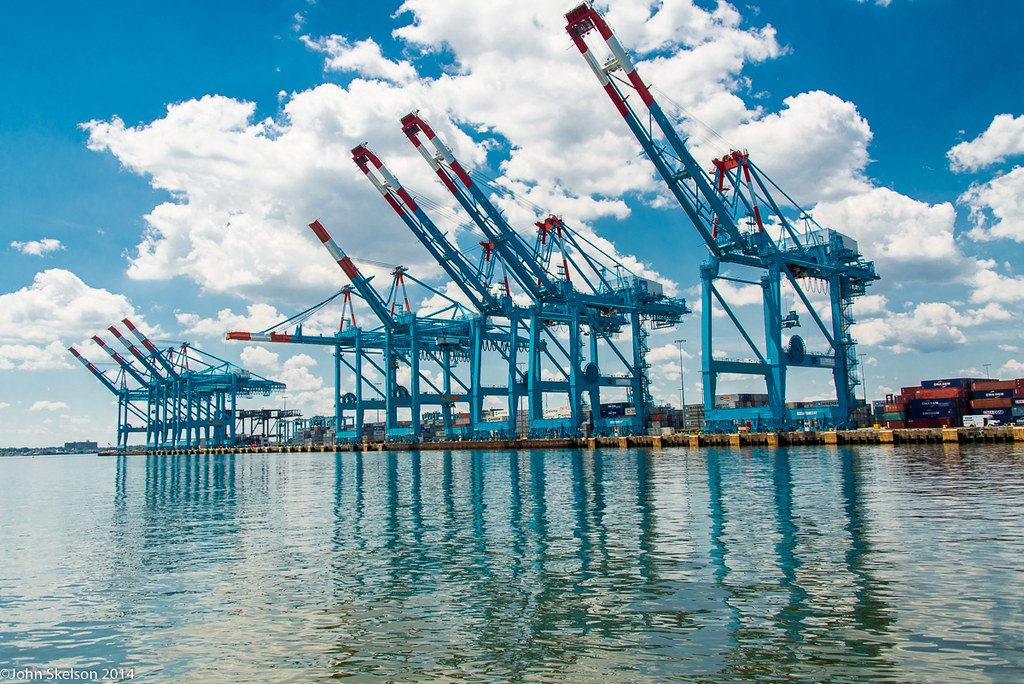
APM Terminals (APMT) is a global leader in container terminals ownership and operations, managing a network of over 70 terminals across continents. APMT is a part of A.P. Møller-Maersk, which also encompasses the shipping company Maersk.


They are devoted to being world’s best terminal operating company through focusing on Service, Innovation, Decarbonization and Growth. BAEKEN contributes to a variety of transformative projects for APMT, ranging from decarbonization and expansion of their current terminals to the acquisition and construction of new terminals, helping them reach their ambitious goals.

How did BAEKEN support?

To lead the way in sustainability, APMT has set ambitious targets: run a completely net-zero terminal company before 2040 . These goals lead to complex requirements for their current and future terminals. This is where BAEKEN helps out. We joined and supported a specialised team that focuses on the biggest projects, the Bid Team. The Bid Team bridges the gap between the commercial and the technical side of the organisation. We manage this important interface and coordinate the technical development of the projects during the pre-investment phase.

How did we approach this project?

  1. Defining project requirements  

    Every project is different, working in all regions of the world with teams from 3 to 50 people requires bespoke solutions. Setting clear goals, requirements and defining the process to get to a complete business case supported by all functions is where we start.


  2. Crafting a unified vision 

    A compelling project story board is our most valuable tool for team alignment by talking them through the ‘what’, ‘why’ and ‘how’ of the project. We clarify the current state of the terminal, the vision for change and the path to execution. The story ensures everyone on the team is fully aligned with the project’s objectives and the plan forward. The discussions following the creation of this story board gradually shape the solution for the business case.

  3. Defining a detailed project scope 

    We list in detail how we are planning to transform the terminal to fulfil all requirements, this is the scope. In the scope sheet we catalogue all the elements needed for the transformation of the terminal, along with their expected quantities. We can easily cross reference this sheet with the requirements at any moment to check if they are still aligned. In these early stages of the project many assumptions must be made. Cataloguing these assumptions along with the developed scope and assessing how they can impact the business case are crucial to the quality of the case.

  4. Building a cohesive timeline, budget, and risk management plan 

    We develop a project timeline using Primavera P6. This creates the first insight into the project timeline. Using the combined knowledge of the team we create cost estimates and link this to the schedule. Throughout the development of the solution, risks are identified and quantified. When we can, we perform a probabilistic risk analysis and adjust the timeline and cost estimate accordingly.

  5. Complete business case 

    We do thorough quality checks of all inputs and make sure all information is aligned. We compile and present the information in a simple and complete way ready to be signed off by all stakeholders. This package is then used to support the investment decision process.

What has been used?

Primavera P6

for planning and project controls

Oracle Primavera Cloud (OPC)

for planning and project controls

Risk Management

for managing project uncertainties

Cost Management

for managing the project costs

Stakeholder Management

for effective communication and collaboration

Jonna werkte mee aan dit project
Jonna de Vries

Curious if we can do something for you? Or check out similar projects.

This field is for validation purposes and should be left unchanged.

Of bekijk andere projecten

De Knoop @ Rijksvastgoedbedrijf

When Rijksvastgoedbedrijf (RVB) acquired the former Knoop barracks in Utrecht in 2011, it had the ambition to transform

  • Area development

Business Park @ Aviolanda

Business Park Aviolanda houses companies and training institutes in the field of aircraft engineering and maintenance.

  • Area development

Sustainable energy use @ Croonwolter&Dros

Commissioned by Vattenfall, Croonwolter&Dros is realizing the heat station “De Sleutel” (The Key) near Leiden, alongside

  • Energy transition
  • Technologie en innovatie
  • Technology and Innovation

Lighting and Traffic Management Systems @ Vialis

Since October 1st, 2021, Vialis, commissioned by Rijkswaterstaat, has been replacing various technical systems under the

  • Technologie en innovatie
  • Technology and Innovation

Road maintenance in the eastern Netherlands @ Haskoning

To keep the national roads of the East Netherlands district (ON) in optimal condition, Rijkswaterstaat (RWS), through it

  • Technologie en innovatie
  • Technology and Innovation

The Energy transition is urgently needed

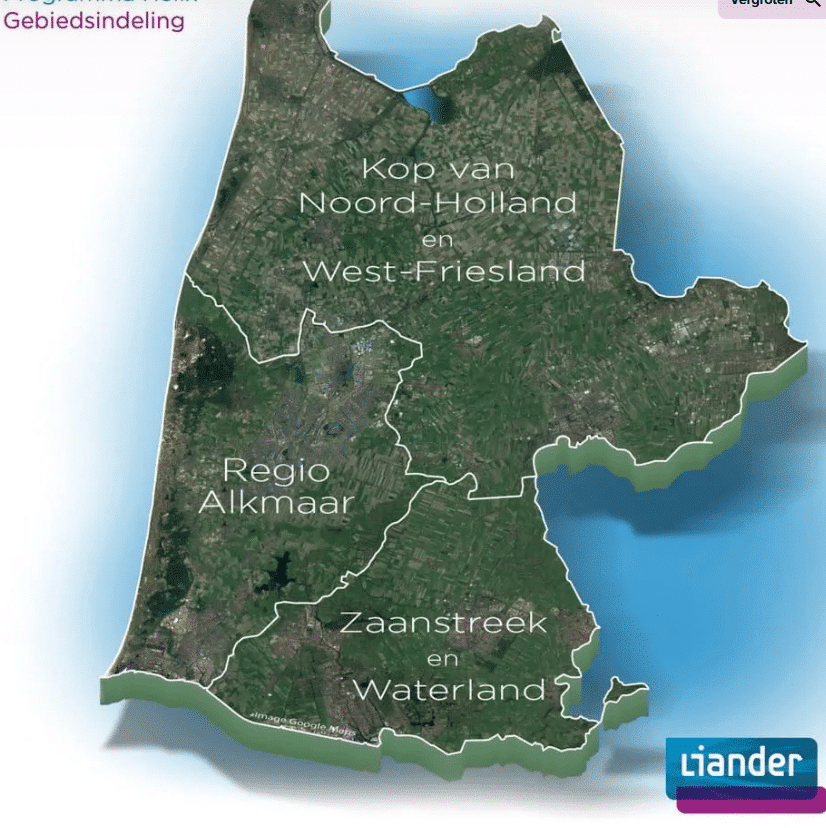
Noord-Holland is developing rapidly. The number of residents and businesses is growing — and with it, the demand for energy. To be prepared for the future, we will be expanding and upgrading the energy grid in the coming years. We are installing cables and building electrical substations. Together with contractors and suppliers, Liander is working on a reliable power network. This is how we prepare the energy system for a sustainable future.

Why was BAEKEN needed?

Key aspects of this project were that design and location choices for the new cables had to be made in a timely manner, followed by permit investigations and arranging permission from all landowners. This multitude of interfaces and stakeholders makes the project complex and requires a great deal of preparation before physical execution can begin. Liander already had a clear schedule for each project segment, indicating the most important phases and their duration. However, it appeared that the projects were not yet properly managed and that there were too few checkpoints to guarantee that the project would proceed according to schedule. BAEKEN had been brought into the project to ensure that those involved had confidence in the process and that deadlines were not only made clear, but also met.

How did we approach this project?

  1. Detailing the schedule

    One of the most important action points was to become acquainted with and gain insight into the process of laying cables. In addition, it was important to get a handle on all the activities within a phase (CD/BD/DD) [moreInfo_open]CD/BD/DD
    CD (Conceptual Design): First sketch with the main lines of the network, including positioning and choice of materials,
    BD (Basic Design): Elaboration with detailed drawings and technical specifications for reliability and capacity,
    DD (Detailed Design): All technical details and implementation documents are ready for realization. [moreInfo_close] This made it clear what everyone was responsible for, when these activities were expected to take place, and what the dependencies were. With all this information, I fleshed out the schedule so that everyone had a clear idea of what activities needed to be carried out in which phase.

  2. Detailed schedule and problem solving

    During the creation of the detailed schedule, the first problems with the ongoing projects quickly became apparent. These projects were starting to fall behind schedule, in part due to the process of obtaining permission from landowners proving more complicated than anticipated. Together with the omgevingsmanagers (site managers), we decided to further break down the work. This resulted in better cooperation, more benchmarks during the phases, and a smoother, accelerated procedure for obtaining permission from landowners. [internalLink_open]Read more about our advice and consultancy services here.[internalLink_close]

  3. Guidance based on the schedule

    Now it is important that everyone gets used to steering the projects according to the schedule and to keep them up to date. This is where I/we take the lead in getting the stakeholders on board.

What has been used?

Microsoft Project

for planning and project controls

Stakeholder management

for effective communication and cooperation

Oracle Primavera Cloud (OPC)

for planning and project controls

Pascal werkte mee aan dit project
Pascal Heleenders

Curious if we can do something for you? Or check out similar projects.

This field is for validation purposes and should be left unchanged.

Of bekijk andere projecten

De Knoop @ Rijksvastgoedbedrijf

When Rijksvastgoedbedrijf (RVB) acquired the former Knoop barracks in Utrecht in 2011, it had the ambition to transform

  • Area development

Business Park @ Aviolanda

Business Park Aviolanda houses companies and training institutes in the field of aircraft engineering and maintenance.

  • Area development

Sustainable energy use @ Croonwolter&Dros

Commissioned by Vattenfall, Croonwolter&Dros is realizing the heat station “De Sleutel” (The Key) near Leiden, alongside

  • Energy transition
  • Technologie en innovatie
  • Technology and Innovation

Lighting and Traffic Management Systems @ Vialis

Since October 1st, 2021, Vialis, commissioned by Rijkswaterstaat, has been replacing various technical systems under the

  • Technologie en innovatie
  • Technology and Innovation

Road maintenance in the eastern Netherlands @ Haskoning

To keep the national roads of the East Netherlands district (ON) in optimal condition, Rijkswaterstaat (RWS), through it

  • Technologie en innovatie
  • Technology and Innovation

Offshore hydrogen: Towards a climate-neutral Netherlands

The groundbreaking Offshore Hydrogen project by GasUnie aims to develop a transport system for hydrogen, which will transport the hydrogen produced at electrolysis stations near wind farms in the North Sea to the mainland. This project is a crucial step in the Netherlands’ ambition to become climate-neutral. In this context, I was brought in to create insight into the risks and to establish the risk management process.

Wesley van der Burg (founder @ BAEKEN) contributed to this project while working for Primaned project consultancy, part of Eiffel Projects, prior to founding BAEKEN.

Why was Wesley needed?

During the assessment phase of this project—when the most impactful decisions are made and the direction of the project is determined—it was essential to gain insight into the potential risks associated with each decision. Without this insight, decision-makers would not be fully aware of the possible outcomes of their choices. I was asked to map these risks and establish a robust risk management process so that informed and well-founded decisions could be made.

How did I approach the project?

  1. Developing a Risk Management Strategy

    In this multifaceted project, I faced the challenge of establishing a strategy while many conceptual choices still needed to be made. These choices, which related to the network configuration, led to various scenarios for time, cost, and risks. I mapped these scenarios to clarify the impact of each choice and to assess their value.

  2. Identifying Risks

    Next, I focused on creating a detailed risk register. I identified potential risks, assessed their impact, and determined the necessary measures to manage them. This laid the foundation for informed decision-making, which is crucial for the success of the project.

  3. Making Choices Based on Risk Insights

    After establishing the strategy and identifying risks, I focused on supporting the client in making strategic choices. These choices were related to the configuration of the network and the associated costs, time buffers, and risk profiles. Through thorough risk analysis, I helped the client make decisions that were both realistic and forward-looking. This Offshore Hydrogen project is a good example of how I go beyond just the initial assignment by actively considering the client’s broader vision and the energy transition in the Netherlands.

Wat has been used?

Oracle Primavera Cloud (OPC)

for planning and project management

Risk management

for managing project uncertainties


Benieuwd wat ik voor jouw project kan doen?
Wesley van der Burg


Curious if we can do something for you? Or check out similar projects.

This field is for validation purposes and should be left unchanged.

Of bekijk andere projecten

De Knoop @ Rijksvastgoedbedrijf

When Rijksvastgoedbedrijf (RVB) acquired the former Knoop barracks in Utrecht in 2011, it had the ambition to transform

  • Area development

Business Park @ Aviolanda

Business Park Aviolanda houses companies and training institutes in the field of aircraft engineering and maintenance.

  • Area development

Sustainable energy use @ Croonwolter&Dros

Commissioned by Vattenfall, Croonwolter&Dros is realizing the heat station “De Sleutel” (The Key) near Leiden, alongside

  • Energy transition
  • Technologie en innovatie
  • Technology and Innovation

Lighting and Traffic Management Systems @ Vialis

Since October 1st, 2021, Vialis, commissioned by Rijkswaterstaat, has been replacing various technical systems under the

  • Technologie en innovatie
  • Technology and Innovation

Road maintenance in the eastern Netherlands @ Haskoning

To keep the national roads of the East Netherlands district (ON) in optimal condition, Rijkswaterstaat (RWS), through it

  • Technologie en innovatie
  • Technology and Innovation

Steel Industry: From dirty to clean

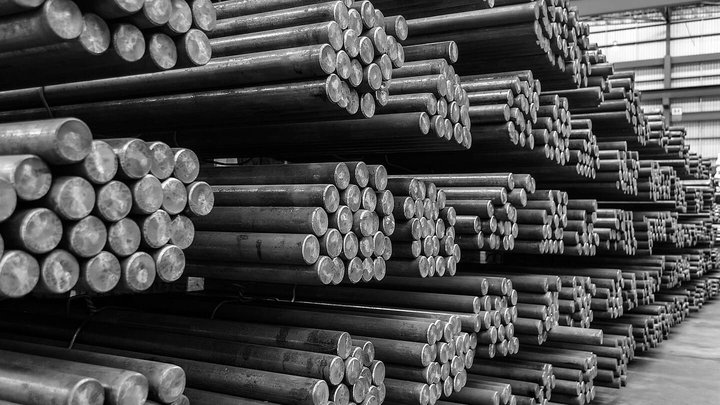
ArcelorMittal’s Decarbonisation Programme is driven by the ambition to transform a significant portion of its production facilities. By shifting from coal-fired to hydrogen-fired installations across seven European plants and one in Canada, ArcelorMittal is taking a major step in the fight against climate change. This program represents a total investment of 15 billion euros and leads the way in the global steel industry as an example for others to follow.


Wesley van der Burg (founder @ BAEKEN) contributed to this project while working for Primaned project consultancy, part of Eiffel Projects, prior to founding BAEKEN.

Why was Wesley needed?

In this complex and ambitious program, which extends beyond traditional production, it was essential to align various disciplines and teams. The project required a Project Controls Manager with experience, and that’s where I came in. My role went beyond time management and risk management; I brought structure and insight—critical elements for the success of a decade-long program of this scale.

How did I approach the project?

  1. Managing project controls

    In a program of this scale, a clear approach is crucial. During the Pre-Front End Engineering Design (PReFEED) phase, I led a team of 8 Project Controls professionals to develop a program approach that mapped out all time- and risk-related aspects. The core focus was on establishing a robust planning that provided an overview of the entire program while simultaneously guiding both the ArcelorMittal teams and Fluor ( contractor). Building on this, we integrated the cost control process.

  2. Collaboration with the contractor

    Through intensive collaboration with the contractor’s Project Controls team (FLUOR), we ensured seamless coordination and oversight across all aspects, allowing the phases to proceed without disruptions and ensuring every step remained within contractual frameworks. This partnership guaranteed that the project was executed efficiently and effectively, with a focus on sustainability as the guiding principle.

  3. Navigating toward a sustainable future

    In my role as Project Controls Manager, my aim was to support ArcelorMittal in making informed and sustainable decisions. By carefully overseeing each step, I ensured that the project not only reduced environmental impact but also met internal time and cost objectives. The program included a shift from the traditional blast furnace route to the Direct Reduced Iron-Electric Arc Furnace (DRI-EAF) production route, resulting in a substantial 60% reduction in CO₂ emissions. After the successful launch of the FEED phase, my involvement concluded, though the program continues to advance.

  4. Risk management in a strategic program

    In addition to daily planning and execution, I focused on risk management. We conducted a comprehensive risk analysis using Monte Carlo simulations, enabling us to establish realistic time and cost contingencies. This approach allowed us to manage risks effectively and set realistic expectations. By closely monitoring risks and continuously aligning efforts between teams, the project team could respond proactively to changes. This approach was essential to ensure continuity and maintain progress throughout the program.

Wat has been used?

Primavera P6

for planning and project controls

Risk management

for managing project uncertainties

Power BI

for visualization of data

Benieuwd wat ik voor jouw project kan doen?
Wesley van der Burg


Curious if we can do something for you? Or check out similar projects.

This field is for validation purposes and should be left unchanged.

Of bekijk andere projecten

De Knoop @ Rijksvastgoedbedrijf

When Rijksvastgoedbedrijf (RVB) acquired the former Knoop barracks in Utrecht in 2011, it had the ambition to transform

  • Area development

Business Park @ Aviolanda

Business Park Aviolanda houses companies and training institutes in the field of aircraft engineering and maintenance.

  • Area development

Sustainable energy use @ Croonwolter&Dros

Commissioned by Vattenfall, Croonwolter&Dros is realizing the heat station “De Sleutel” (The Key) near Leiden, alongside

  • Energy transition
  • Technologie en innovatie
  • Technology and Innovation

Lighting and Traffic Management Systems @ Vialis

Since October 1st, 2021, Vialis, commissioned by Rijkswaterstaat, has been replacing various technical systems under the
  • Technologie en innovatie
  • Technology and Innovation

Road maintenance in the eastern Netherlands @ Haskoning

To keep the national roads of the East Netherlands district (ON) in optimal condition, Rijkswaterstaat (RWS), through it

  • Technologie en innovatie
  • Technology and Innovation

2GW program

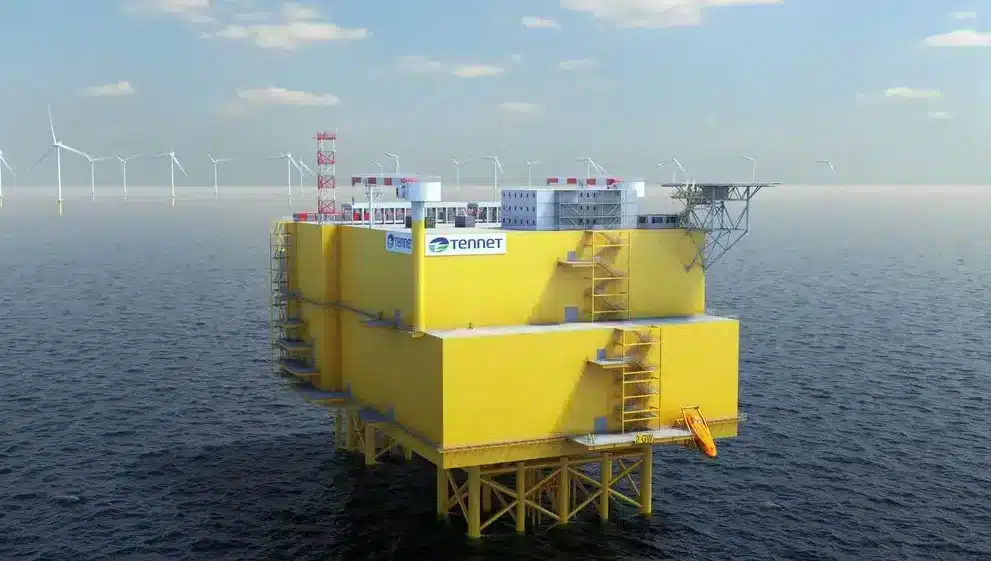
IV-group is an engineering company that provides technical solutions for complex projects. One of its divisions is IV Offshore & Energy, which offers innovative solutions for energy production at sea. One of the projects in this division is Tennet’s 2GW program, aimed at realizing large-scale offshore platforms with a capacity of 2 gigawatts.

Why was BAEKEN needed?

The size and complexity of the 2GW project posed significant challenges in terms of scheduling, resource management, and reporting. IV Offshore & Energy is experienced in designing offshore platforms, but these have primarily been smaller platforms so far. This project required precise coordination between various teams and stakeholders, both internally and with external companies. Additionally, it was essential to accurately and timely report progress and performance to all stakeholders. To enhance reporting and coordination in this large-scale project, BAEKEN was necessary.

How did we approach this project?

  1. Focus on stakeholder coordination

    Through deliberate coordination with stakeholders, I established structure in the meeting frequency to streamline collaboration between all involved parties. This facilitated the timely identification and resolution of issues.

  2. Preventing delays through efficient resource management

    I created a detailed schedule using the advanced planning software Primavera P6 and track the project’s progress within it. By efficiently managing and allocating resources, I ensure that delays in the project are prevented.


  3. Providing insight with structured reporting

    We implemented Power BI to compare MDR data with scheduling data, allowing us to quickly and efficiently detect and correct discrepancies. This ensures that the schedule is once again central, and all teams are aligned.

  4. Making better decisions with automated data integration

    Automating data integration reduces the risk of errors and ensures consistency and accuracy. We then visualize this data using Power BI, which leads to better decision-making and project execution, elevating the overall project to a higher level.

Wat is er ingezet?

Primavera P6

for planning and project controls

Stakeholder management

for effective communication and collaboration

Reporting

for insight into status updates

PowerBI

for visualization of data

Bente werkte mee aan dit project
Bente Thomas

Curious if we can do something for you? Or check out similar projects.

This field is for validation purposes and should be left unchanged.

Of bekijk andere projecten

De Knoop @ Rijksvastgoedbedrijf

When Rijksvastgoedbedrijf (RVB) acquired the former Knoop barracks in Utrecht in 2011, it had the ambition to transform

  • Area development

Business Park @ Aviolanda

Business Park Aviolanda houses companies and training institutes in the field of aircraft engineering and maintenance.

  • Area development

Sustainable energy use @ Croonwolter&Dros

Commissioned by Vattenfall, Croonwolter&Dros is realizing the heat station “De Sleutel” (The Key) near Leiden, alongside

  • Energy transition
  • Technologie en innovatie
  • Technology and Innovation

Lighting and Traffic Management Systems @ Vialis

Since October 1st, 2021, Vialis, commissioned by Rijkswaterstaat, has been replacing various technical systems under the
  • Technologie en innovatie
  • Technology and Innovation

Road maintenance in the eastern Netherlands @ Haskoning

To keep the national roads of the East Netherlands district (ON) in optimal condition, Rijkswaterstaat (RWS), through it

  • Technologie en innovatie
  • Technology and Innovation

A future-proof electricity grid

Liander, part of Alliander, is one of the grid operators in the Netherlands. Due to new developments in energy generation, as well as the rising energy consumption of the average Dutch citizen, this electricity grid is increasingly under pressure. One of Liander’s projects is the renewal and reinforcement of the medium-voltage grid in the Netherlands (10-20kV).

Why was BAEKEN needed?

By renewing cables and pipelines, creating new connections, and installing more transformer stations, we can ensure the grid can handle the growing demand for energy. To achieve this, a construction team was established, a close collaboration between Liander, the contractor, and the engineering team. However, such a collaboration is easier said than done. A diverse and multidisciplinary project involves numerous preconditions. To bring clarity and insight to this complex web of questions and considerations, BAEKEN was brought in for this project.

How did we approach this project?

  1. Clarity for Everyone

    With a critical eye on the schedule in Microsoft Project, we established structure, making it clear for everyone when designs need to be completed, what the review periods are, and we facilitated continuous execution for our contractor.

  2. Creating insight into risks

    We incorporate risks and uncertainties into the planning so that we do not have to disappoint waiting customers with notifications that they cannot yet be connected to the grid. We identify these risks using Risk Challenger. I ensured that these risks were discussed within the teams and that the mitigating measures arising from these meetings were actually implemented.

  3. Cost control

    To create clarity around the cost aspect, we prepared financial reports using financial management tools such as Cleopatra. We plotted our expected costs per project over time against our actual expenditures, allowing us to better monitor our Year-End Forecasts and Estimate at Completion (EAC), and to make timely adjustments where needed.

What has been used?

Microsoft Project

for planning and project controls

Risk management

for managing project uncertainties

Earned value management (EVM)

for performance measurements

Rik werkte mee aan dit project
Rik Bosman

Curious if we can do something for you? Or check out similar projects.

This field is for validation purposes and should be left unchanged.

Of bekijk andere projecten

De Knoop @ Rijksvastgoedbedrijf

When Rijksvastgoedbedrijf (RVB) acquired the former Knoop barracks in Utrecht in 2011, it had the ambition to transform

  • Area development

Business Park @ Aviolanda

Business Park Aviolanda houses companies and training institutes in the field of aircraft engineering and maintenance.

  • Area development

Sustainable energy use @ Croonwolter&Dros

Commissioned by Vattenfall, Croonwolter&Dros is realizing the heat station “De Sleutel” (The Key) near Leiden, alongside

  • Energy transition
  • Technologie en innovatie
  • Technology and Innovation

Lighting and Traffic Management Systems @ Vialis

Since October 1st, 2021, Vialis, commissioned by Rijkswaterstaat, has been replacing various technical systems under the

  • Technologie en innovatie
  • Technology and Innovation

Road maintenance in the eastern Netherlands @ Haskoning

To keep the national roads of the East Netherlands district (ON) in optimal condition, Rijkswaterstaat (RWS), through it

  • Technologie en innovatie
  • Technology and Innovation